Window getting cleaned

Your Care & Maintenance Guide

Once you purchase windows, doors, bi-folds, patio doors, or a full conservatory our guide will help to keep your products working, and looking, their best for years to come. It is vital the guidance is followed carefully to ensure warranties are maintained.

GENERAL CLEANING RULES

Standard Non-Foiled PVC frames

  • Wash with a soap and water solution (dilute washing up liquid is fine) to avoid the build-up of atmospheric deposits.
  • For stubborn stains, use a non-abrasive PVC liquid cleaner sparingly and buff to shine.
  • Avoid solvent-based cleaners and take care not to disturb any sealants.

Foiled PVC Frames

  • Only use a soap and water solution to clean wood grained or foiled windows.
  • Never use cleaning fluid or solvent-based cleaners.
  • Minor scratches can be repaired using a matching RAL touch up pen.

Doors

  • Wash the door and door frame with warm soapy water and a soft, lint-free cloth to remove grime and atmospheric deposits.
  • Never use a pressure washer or steam cleaner.
  • Stubborn marks on the door frame may need to be tackled with a specialised PVC cleaner but please ensure you read the cleaning guidelines carefully so as to ensure suitability.
  • Under no circumstances should you use any solvent based or abrasive cleaners and avoid the use of any adhesives or tack for temporary fixing i.e. For seasonal or other decorations.

Furniture and Hardware

  • Only clean with a soap and water solution.
  • Do not use abrasive cleaners.
  • Glazed Units

    • Remove all hand jewellery prior to cleaning to avoid scratching.
    • Remove any heavy external grime with a soap and water solution.
    • Use a proprietary household cleaner, apply with a soft cloth and buff to a shine.
    • Glass fitted with external Georgian Bars may be cleaned in the same way – taking care not to disturb.
    • If leaded strips are bonded to the glazed unit, take care as excessive pressure may dislodge the lead. External lead will oxidise, this is a natural phenomenon

    Conservatories

    We do not advise accessing a conservatory roof without the use of scaffolding or platforms. Never lean ladders against PVC frames, gutters or glass as this may result in damage.

    GENERAL MAINTENANCE

    Maintaining your PVC, Aluminium and Timber products with a few simple actions can keep seals, locking systems and mechanisms in optimal condition.

    Lubrication

    • All locking systems require periodic lubrication, and your windows and doors are no exception.
    • For hardware and opening mechanisms, use light machine oil (for example 3-in-1) or silicone- based spray
    • Oil/lubricate hinges occasionally for maximum performance and longevity.
    • Regular greasing and oiling of operation-relevant components in the sash and frame is recommended at least once a year. Please use acid free and non-resinous grease and oil

    Drainage

    • All glazed products such as windows and doors are designed with an in-built drainage system, comprising of slots within the lower thresholds that allow any water ingress to flow on the outside. To ensure an efficient system, these slots must remain unblocked.
    • Periodically remove dirt, clean drain holes, and check the drainage operation by flushing through water.

    Door Maintenance

    • We recommend that you help protect your door from possible natural thermal distortion by engaging the locking points by simply pulling up the handle each time you shut the door.
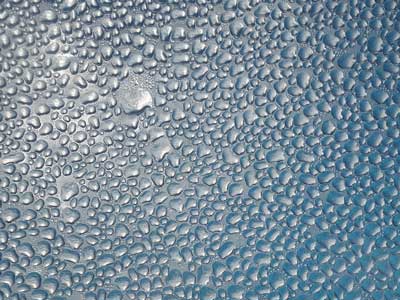
    Cpndensation on glassCondensation

    In the home, this natural water content is increased by normal day to day living – for example, activity that generates steam such as cooking, bathing, laundering, boiling a kettle and even breathing.

    Traditional house construction allowed the escape of this water vapour through natural ventilation, including open flues of coal fires, air bricks and ill-fitting windows and doors. However, the drive to conserve energy and reduce heating costs has led to the sealing of homes, resulting in trapped water vapour and increased problems of condensation.

    New buildings can also produce water vapour. During the construction stages, they can absorb up to 7,000 litres of water – so throughout the drying out process, it all needs to go somewhere.

    With highly energy efficient windows and doors, condensation can even form on the outside face of a double-glazed unit, due to the outside surface being much colder than the inside – this is perfectly normal and nothing to worry about.

    Certain elevations of property can be more susceptible to condensation e.g. north facing buildings

    If you think that you have condensation between the panes, be sure to clean exterior surfaces first. The haziness might in fact be caused by internal or external condensation or it may be caused by a build-up of something, such as a cleaning product like soapy water or grease. If this occurs give us a call and we will assist you further.

    Ventilation

    Provide ventilation in your home wherever possible by:

    • Opening a window (please keep security in mind when leaving open an easily accessible window).
    • Fitting a ventilation or extraction unit in the kitchen and bathroom.
    • Fitting wall vents to provide air flow.

    Glazing Information

    Certain imperfections in the glass cannot be avoided, even in the most carefully controlled production environment.

    Such blemishes and imperfections are therefore beyond our control, but are considered acceptable by even the most rigorous industry standards – we would like to draw your attention to the following extract from an industry-accepted standard in relation to glass:

    • Transparent glass used in the manufacture of double-glazed units is identical to that used in traditional single glazing and will therefore have a similar level of quality. 
    • Both panes of the double-glazed unit shall be viewed from the room side, standing at a distance of two metres (6’6”) in natural daylight and not in direct sunlight. The area to be viewed is the normal vision area, except for a 50mm (2”) wide band around the perimeter of the unit. 
    • Flat transparent glass shall be deemed acceptable if the following phenomenon are neither obtrusive nor bunched; Totally enclosed seeds, Bubbles or blisters, Hairlines or blobs, Fine scratched, not more than 25mm (1”) long. 
    • Obtrusiveness of blemishes shall be judged by looking through the glass and not at it, under normal lighting conditions as in point 2.

    General Information

    • Avoid painting your products as this may invalidate your guarantee.
    • Always engage the locking mechanism on your door to prevent natural bending during temperature differences inside/outside.
    • Please ensure doors and windows are closed/locked when not in use.